
Malli and the Mulky Stories
Short Stories of Childhood, Family, and Gentle Life Lessons
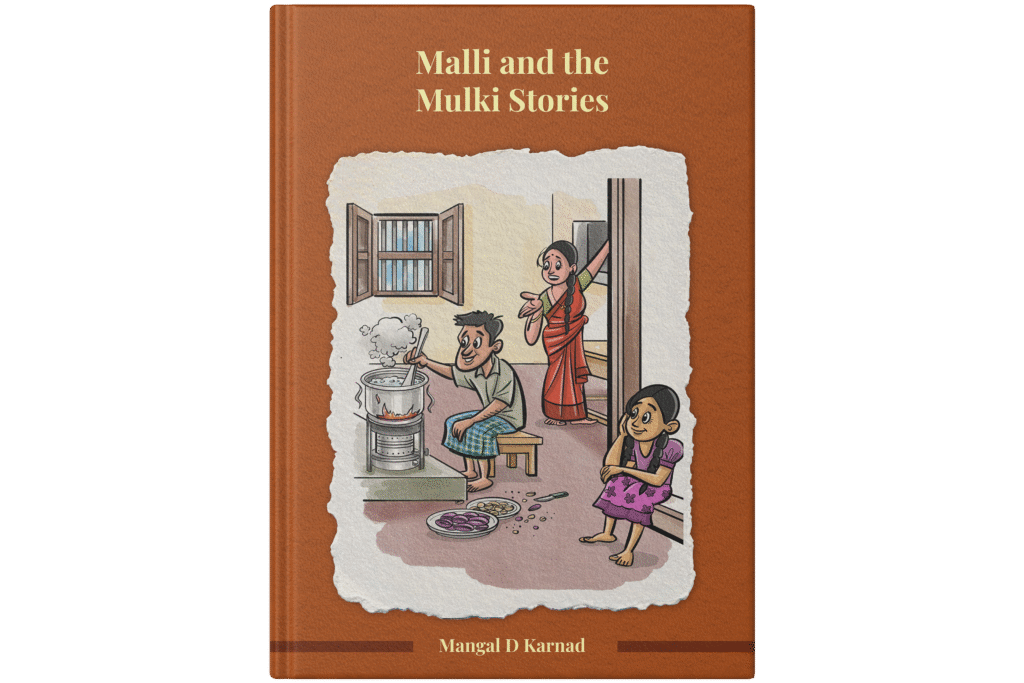
Short Moral Stories in English, Without Preaching
These are short moral stories in English, but the morals are not delivered as lessons.
Instead, values emerge naturally through the story:
- Learning to be brave after fear,
- Understanding fairness and inclusion,
- Respecting differences,
- Valuing effort over perfection,
- And recognising care in everyday actions.
There are no exaggerated villains or dramatic resolutions. The focus is on emotional growth through lived experience, allowing children to reflect rather than be instructed.
Each story concludes with a brief reflection, encouraging conversation between children and adults without interrupting the flow of the narrative.

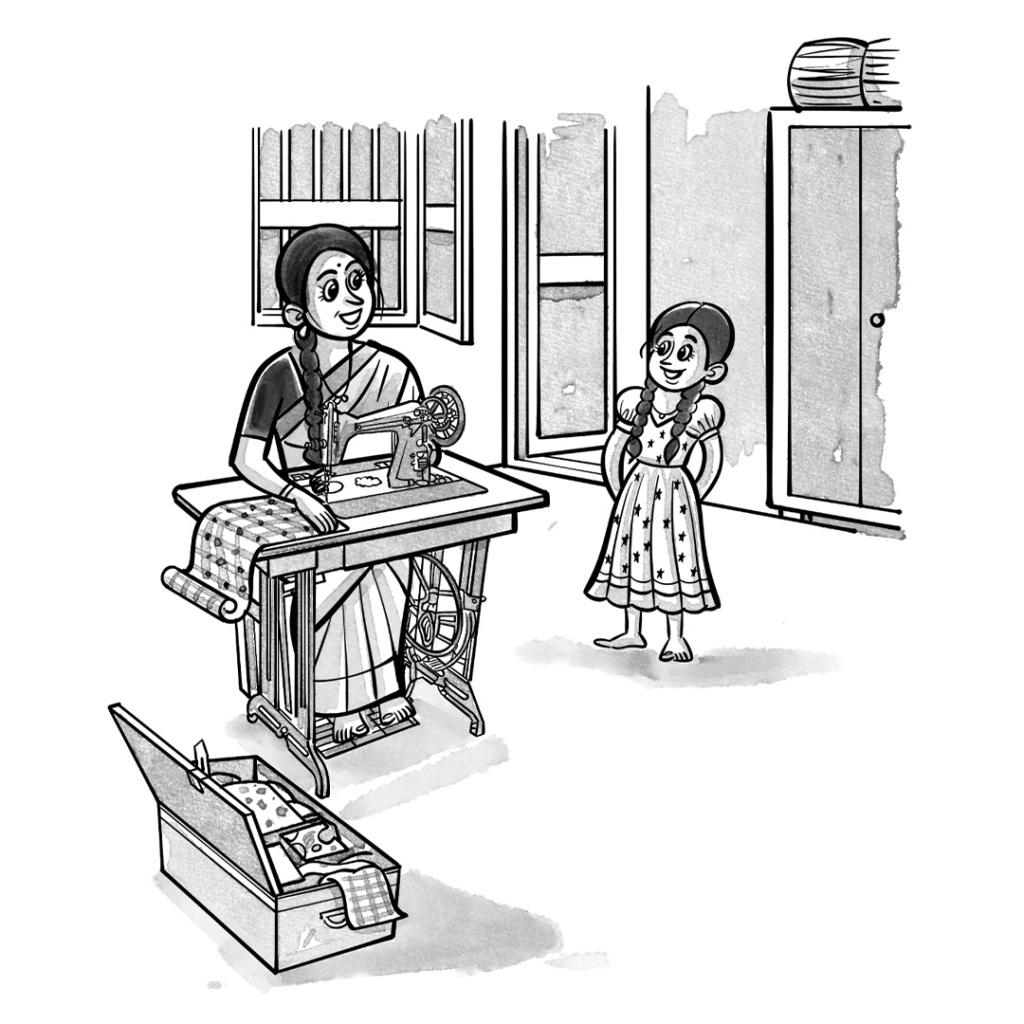
Stories for Kids Set in Mulky, Karnataka
Set in Mulky, Karnataka, the stories are rooted in real places, routines, and cultural practices of a small coastal town.
Children are introduced to:
- Courtyards and gardens,
- Family kitchens and festivals,
- Ponds, wells, and fields,
- Neighbours, relatives, and helpers,
- Traditional objects and everyday rituals.
Local words and customs appear naturally within the stories, helping children learn contextually, without heavy explanation. This makes the book both culturally specific and universally relatable.
Why Parents and Grandparents Choose These Stories
● Gentle, thoughtful short moral stories in English suitable for shared reading.
● Stories grounded in Mulky, Karnataka, offering cultural richness without stereotypes.
● Calm pacing and emotional honesty that respects a child’s intelligence.
● Ideal for parents and grandparents who want meaningful stories without noise or excess.
Who These Stories Are For
● Parents looking for meaningful short stories for kids.
● Grandparents who want to share stories that feel familiar yet timeless.
● Families interested in Indian childhood stories set in small-town Karnataka.
A Quiet Invitation to Read Together
Malli and the Mulky Stories are not about an idealised past. They are about childhood as it is lived, curious, imperfect, and shaped by care.
They are stories to read slowly, to pause over, and sometimes, to remember quietly.
Schema-Ready Summary - (Can be used for Book schema, Product schema, or Article schema)
Schema-Ready Summary - (Can be used for Book schema, Product schema, or Article schema)
Malli and the Mulky Stories is a collection of short stories for kids set in Mulky, Karnataka. Written in simple, engaging English, these short moral stories follow everyday moments from childhood, play, learning, fear, family routines, and quiet acts of care. The stories are culturally rooted yet universally relatable, making them suitable for children as well as shared reading with parents and grandparents. Values emerge naturally through lived experiences rather than direct instruction.